BOBP PRESENTS AN OPERATIONAL EAFM PATHWAY FOR SHARED STOCKS DURING 6TH BOB MARITIME DIALOGUE
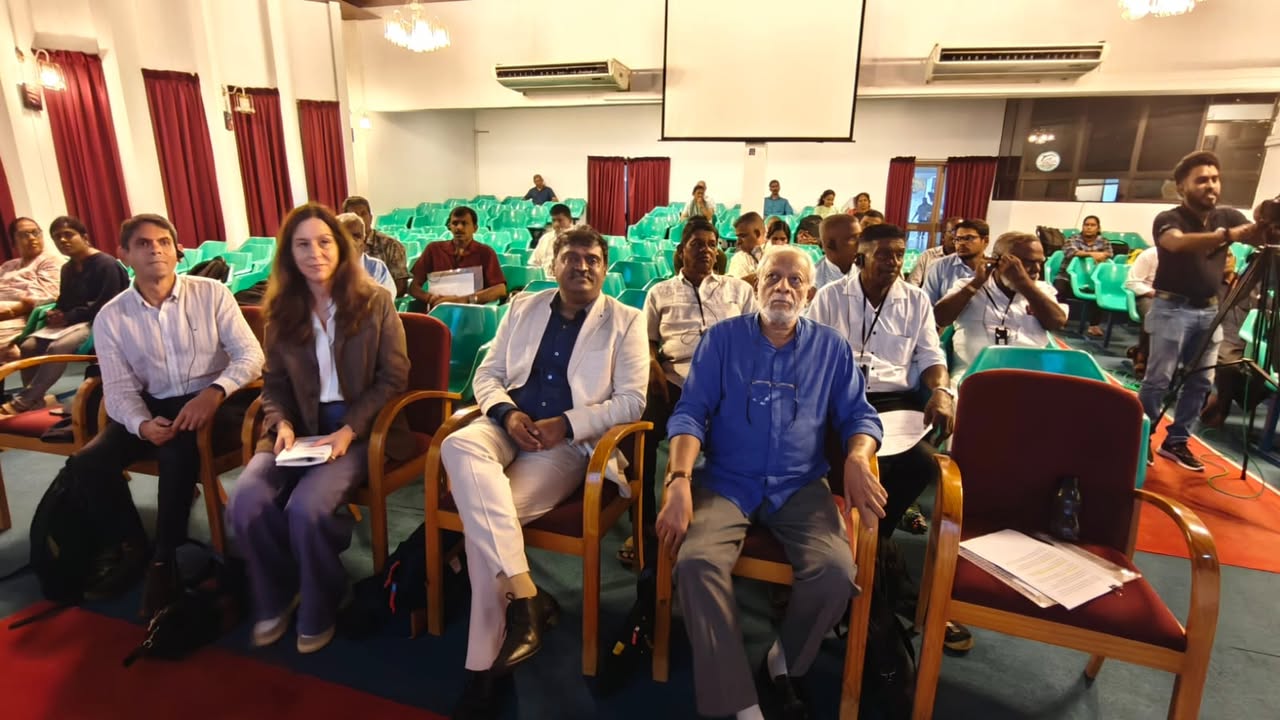
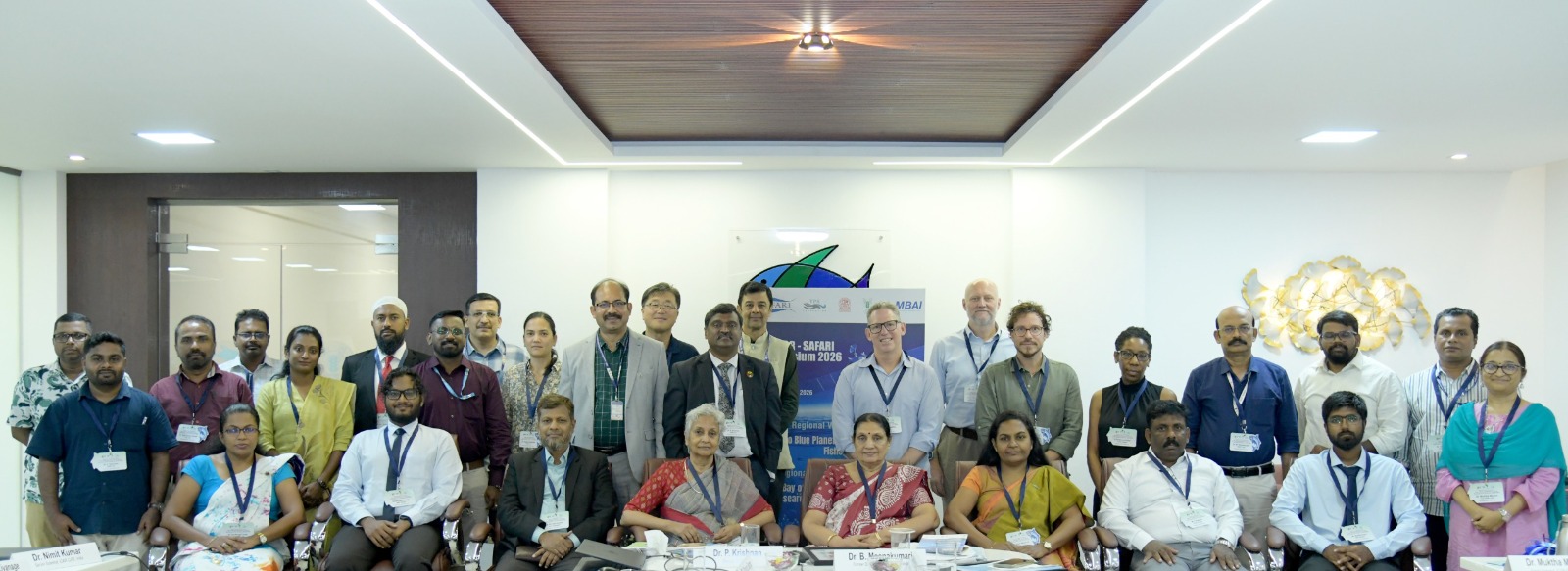
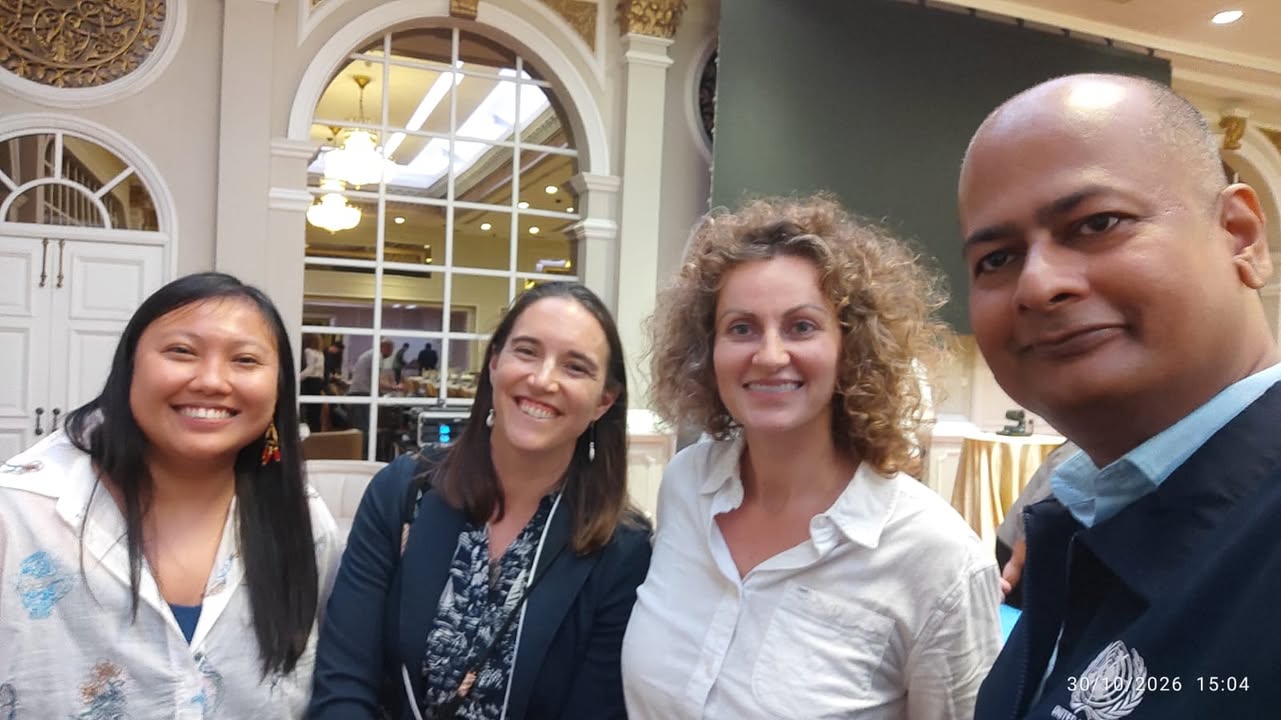
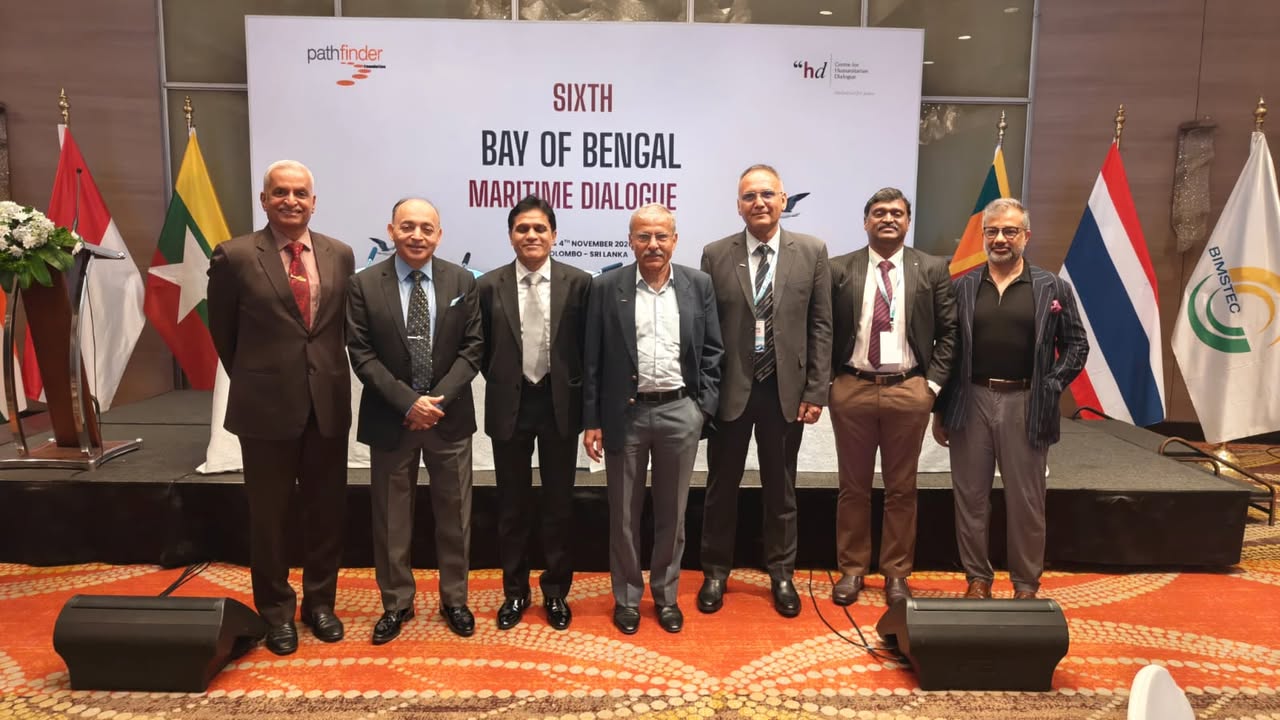
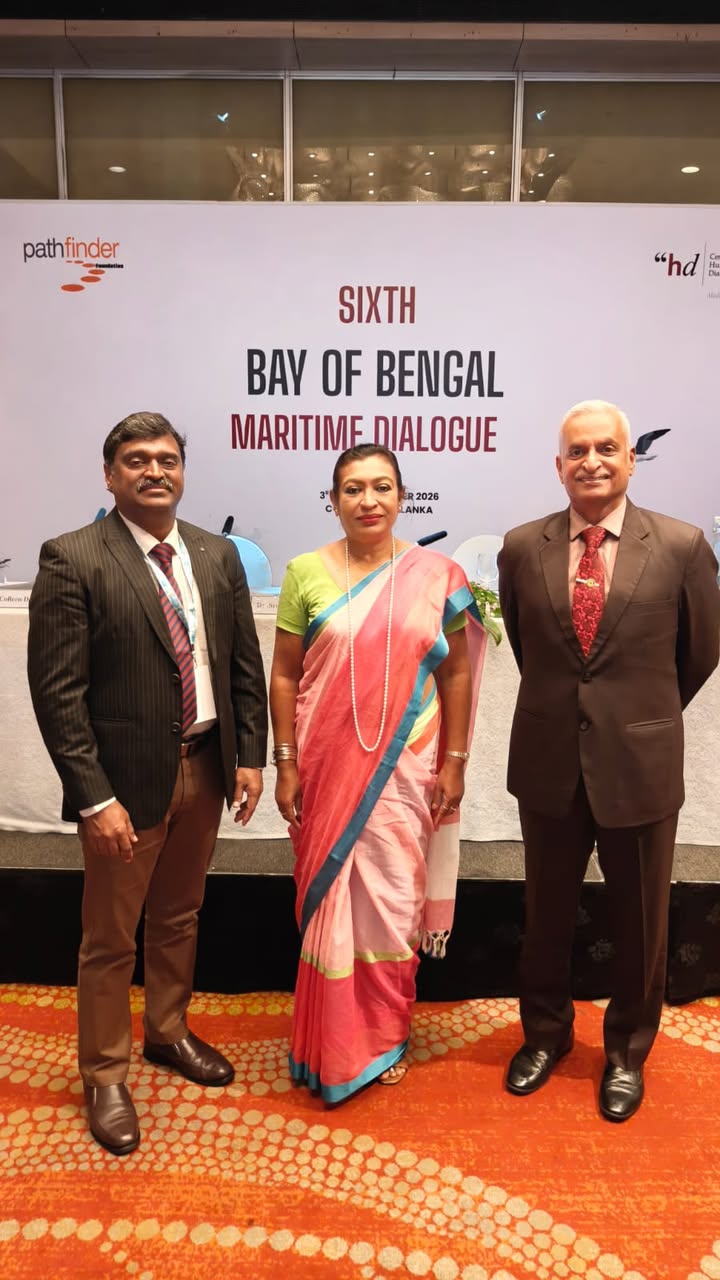
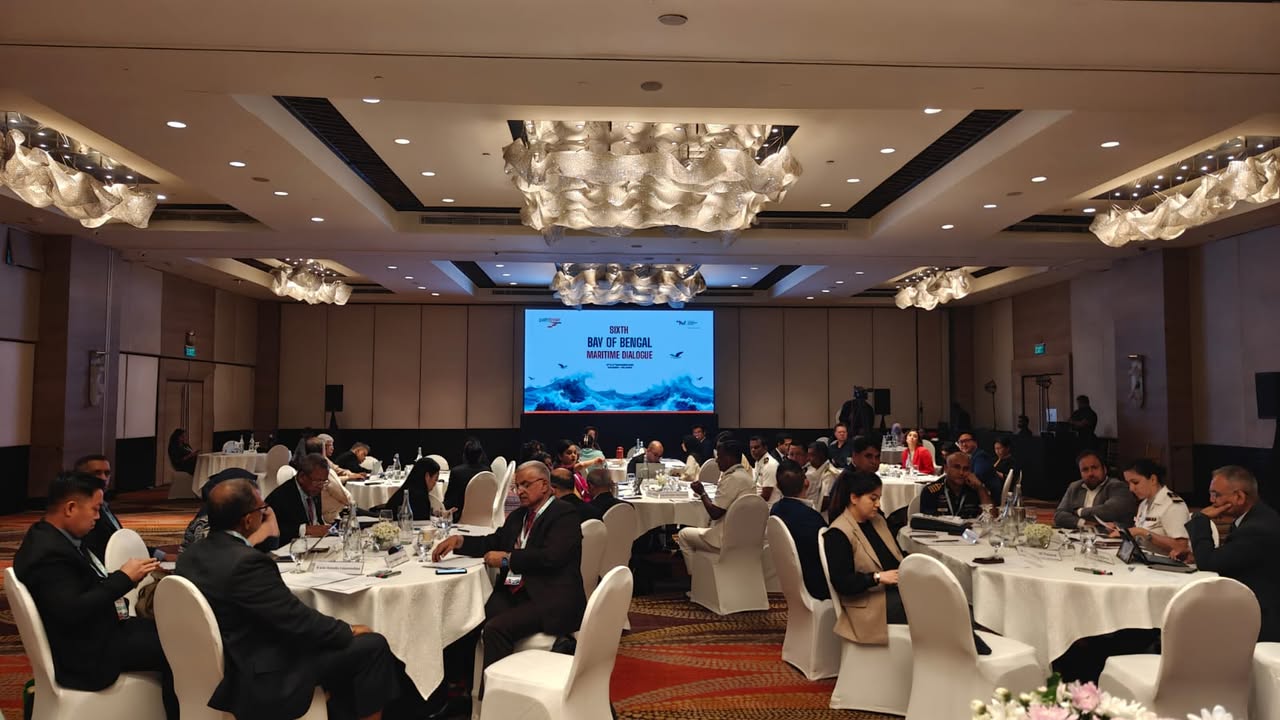
The Sixth Bay of Bengal Maritime Dialogue was held in Colombo, Sri Lanka, during November 3-4, 2026, in which experts representing governments, navies and coast guards, research institutions and civil society from South and Southeast Asia and beyond participated. The Dialogue was co-hosted by the Pathfinder Foundation and the Centre for Humanitarian Dialogue (HD), and discussed maritime security, crisis communication, undersea infrastructure, shared spaces and resources, sustainable fisheries, and the translation of policy into action.
Dr. P. Krishnan, Director of BOBP-IGO, delivered the lead talk in the session on “Sustainable Fisheries Governance in the Bay of Bengal.” Titled “From Shared Stocks to Shared Stewardship: An operational EAFM pathway for the Bay of Bengal,” the presentation proposed that fish stocks shared across the Bay be managed as “one stock”, built on one scientific picture, compatible national measures, and trust and accountability towards fishers, while every country retains its own laws and decisions. He pointed out that more than half of South Asia’s fish stocks are shared by two or more countries, yet very few are assessed or managed jointly. He called for a minimum data standard and one data backbone serving both stock assessment and IUU control, enabling joint assessment without the need to share raw data.
Dr. Krishnan outlined one cooperative ecosystem approach to fisheries management (EAFM) framework with six steps: defining the fishery, agreeing minimum data, joint assessment, co-designing the plan with fishers, aligning with national priorities, and yearly review against stock and fisher indicators. The framework will be applied through compatible, nationally adopted plans for two pilot stocks, hilsa (Bangladesh–India) and green tiger prawn (India–Sri Lanka), which BOBP-IGO’s member countries have mandated it to develop. He noted that the pilots draw on BOBSAN, BIMReN, the BOB-RPOA-IUU, now in effect for all four member countries, and the newly launched Bay of Bengal Network of Ocean Researchers (BOB-NOR), without creating any new bureaucracy. The aspirational timeline targets two technically reviewed draft plans for the Technical Advisory Committee and Governing Council by June 2027.
Highlighting the importance of listening to fishers, Dr. Krishnan cited the alignment of Bangladesh’s marine closed season with India’s east coast, which reduced the mismatch from 74 days a year to just 3 days. He urged the participating states to authorise exploratory scoping talks within existing BOBP-IGO mechanisms, without a new binding instrument at this stage, and to ensure that measures safeguard the welfare of fishing communities.#BayOfBengal #BOBPIGO #BOBMaritimeDialogue #SharedStocks #SharedStewardship #EAFM #SustainableFisheries #IUUFishing #Hilsa #GreenTigerPrawn #BOBSAN #BIMReN #BOBNOR #BOBRPOAIUU #OneStock #SmallScaleFisheries #BlueEconomy #FisheriesGovernance