PATHWAYS TO A REGENERATIVE BLUE ECONOMY: BOBP-IGO AT ASIA OCEAN PACIFIC WEEK 2026
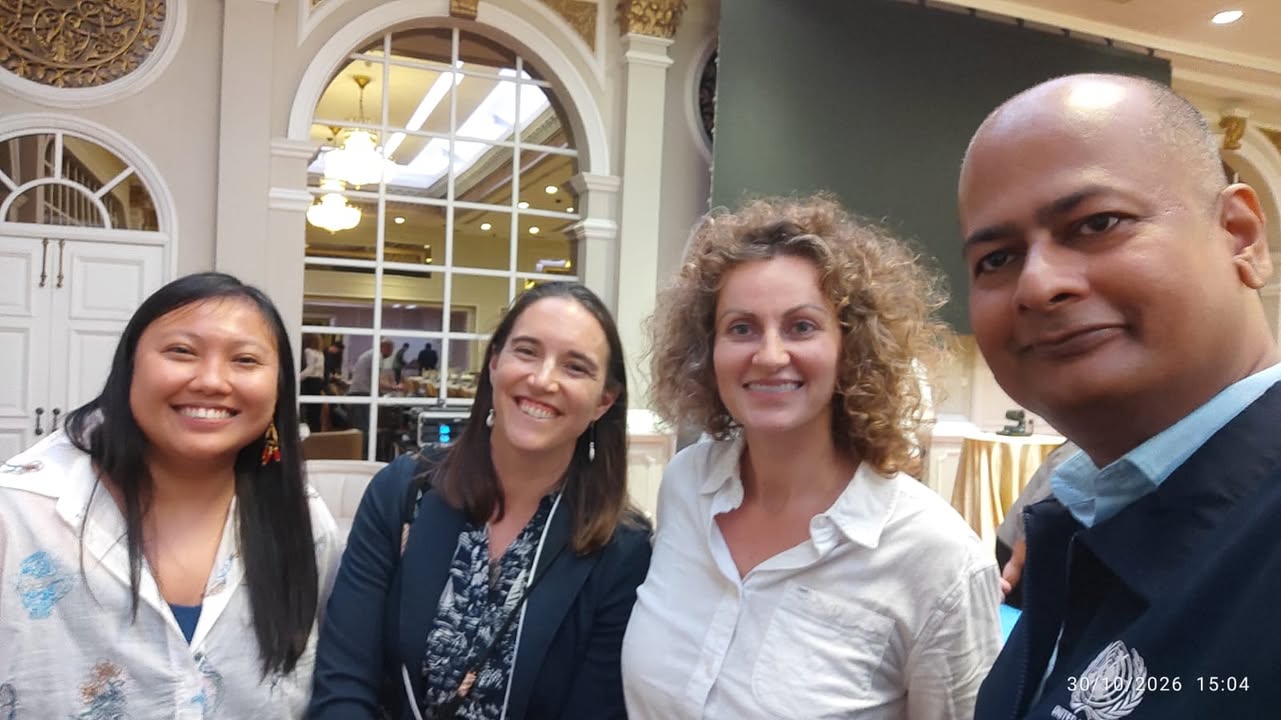
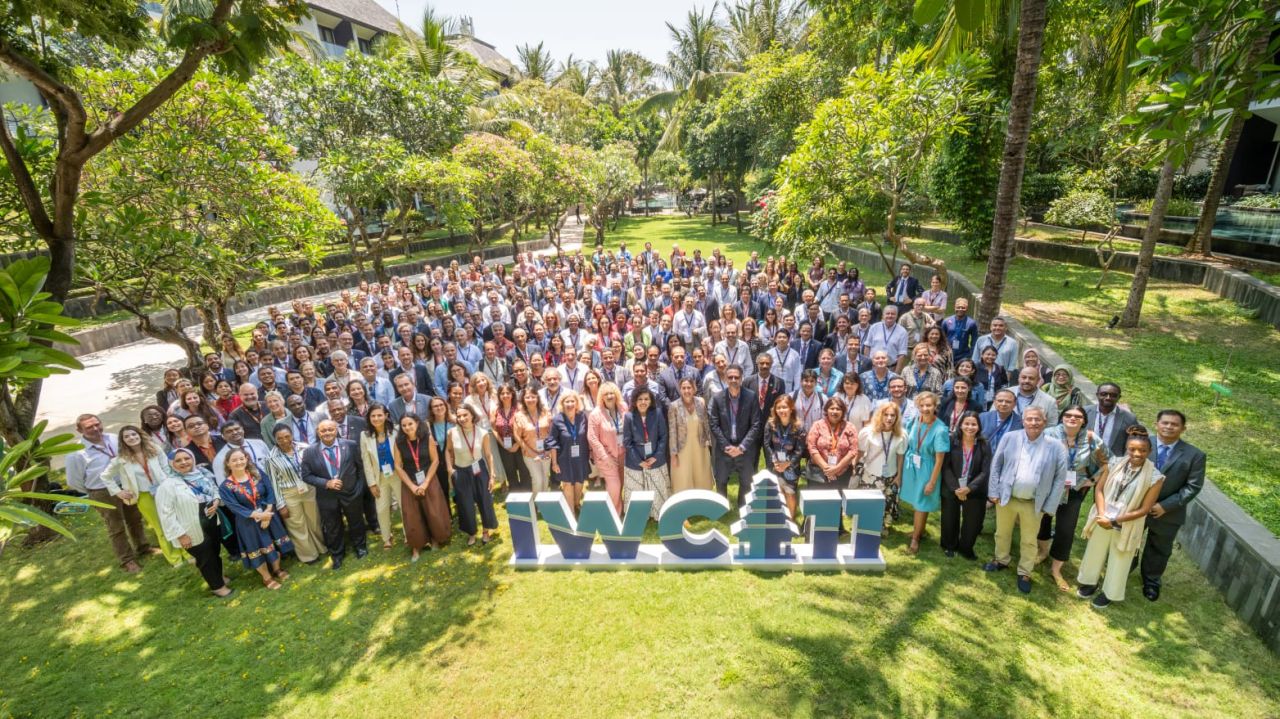
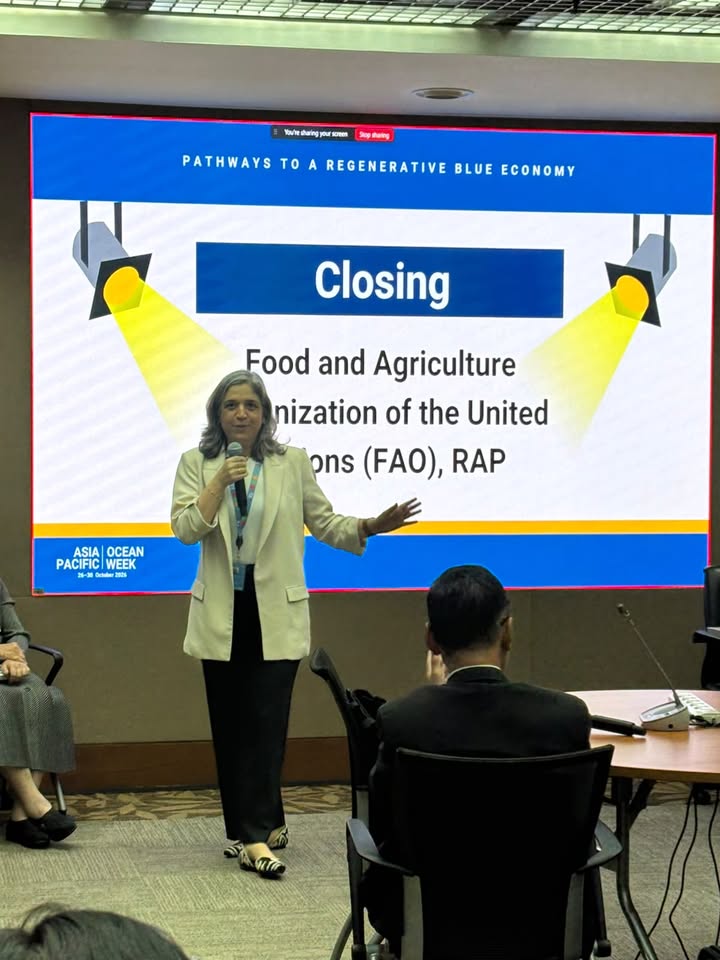
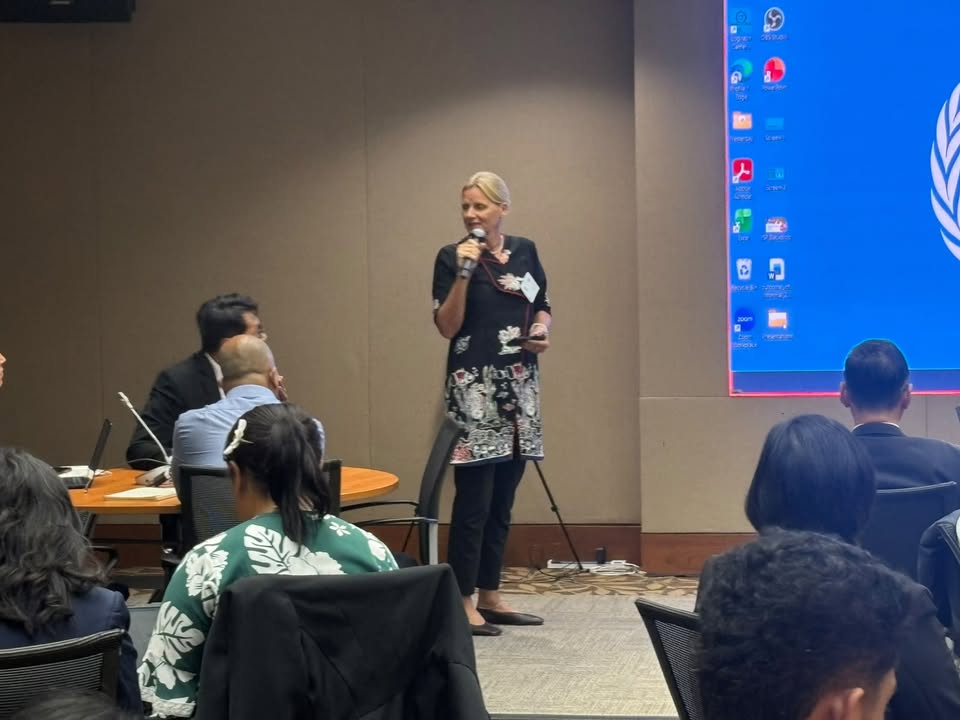
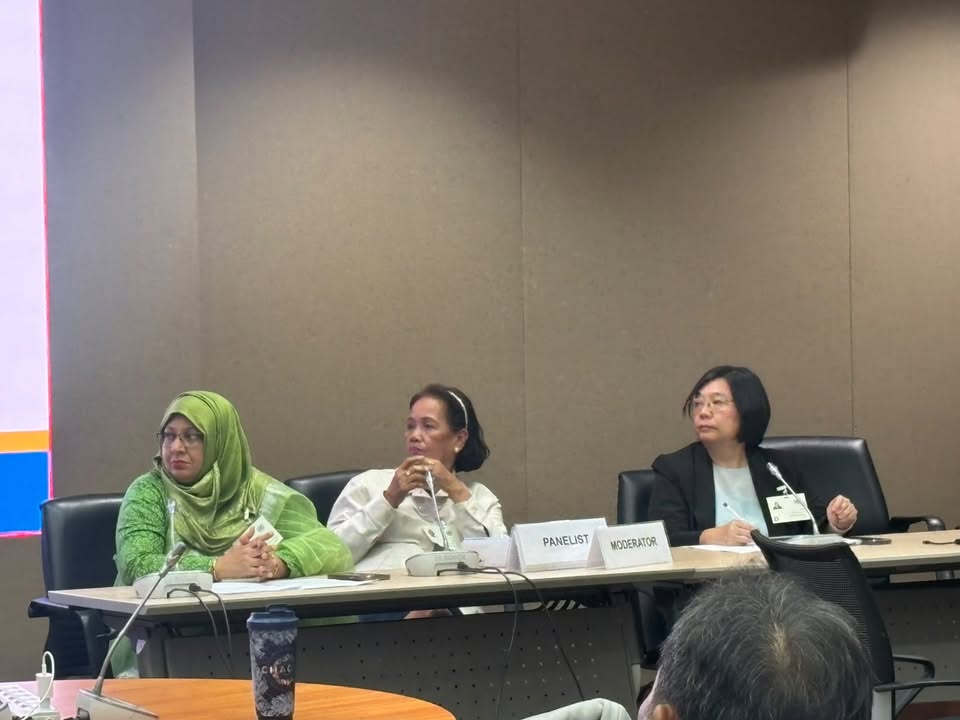
Asia Ocean Pacific Week 2026 brought together governments, regional organisations and civil society to discuss Pathways to a Regenerative Blue Economy, a session organised by IUCN and the FAO Regional Office for Asia and the Pacific (FAO RAP) on 26 October 2026.
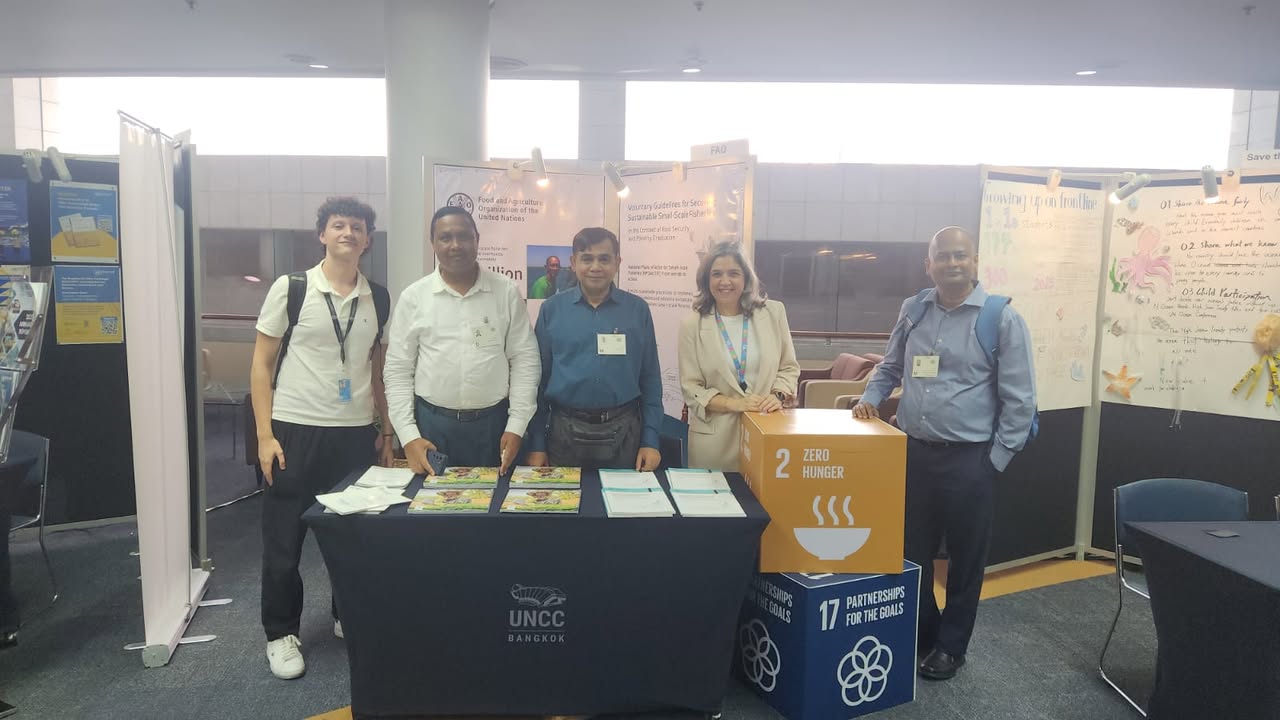
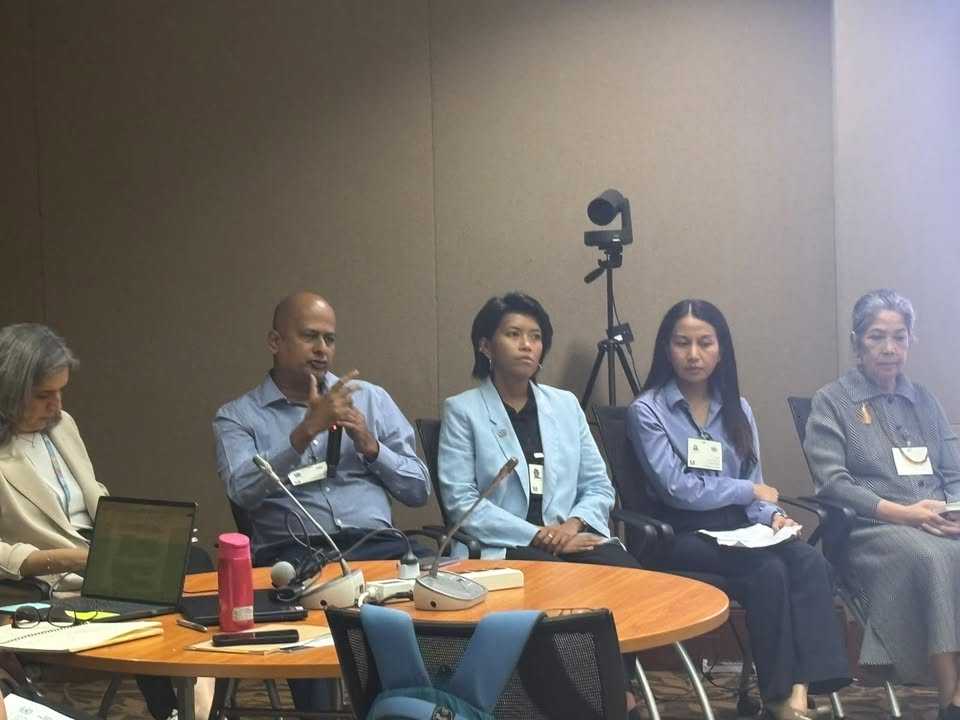
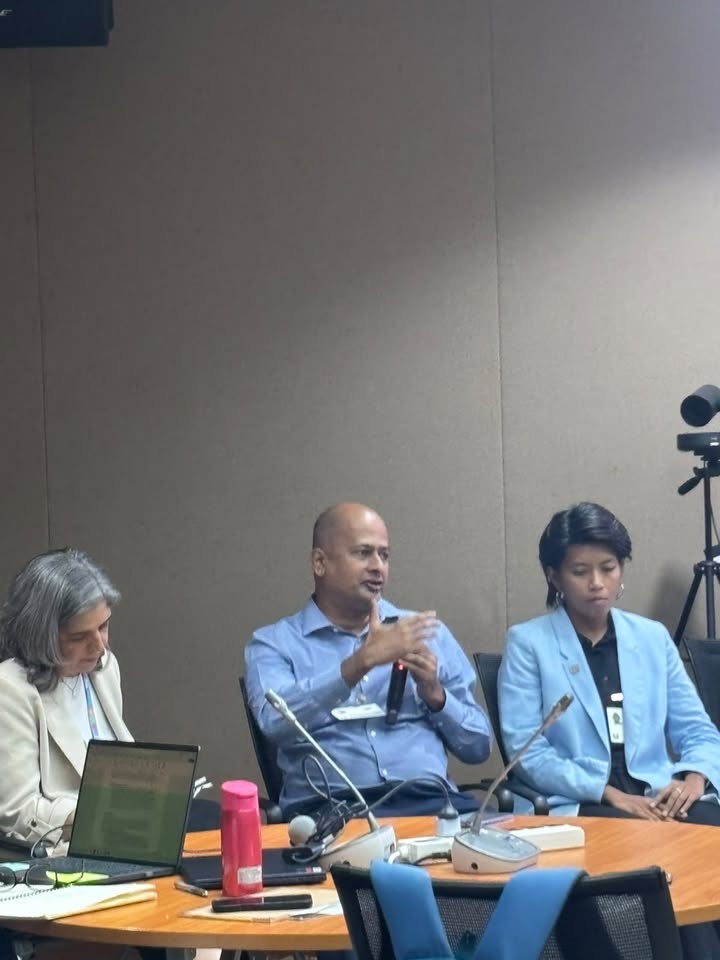
Mr Rajdeep Mukherjee, Policy Analyst, BOBP-IGO, participated in the session and presented BOBP-IGO’s work in the segment on tools supporting the implementation of the Regenerative Blue Economy.
Drawing on BOBP-IGO’s practical experience with Bangladesh, India, the Maldives and Sri Lanka, and on the second phase of the Bay of Bengal Large Marine Ecosystem project (BOBLME-II), Mr Mukherjee observed that the Bay of Bengal has a well-functioning market for the catch but no market that rewards investment in the sea itself. This missing market, he noted, is the main reason a blue economy does not become regenerative by itself. He argued that fishing communities need access rules, secure rights of use and a real voice in decision-making to act as stewards of their resources and become investors-producers.
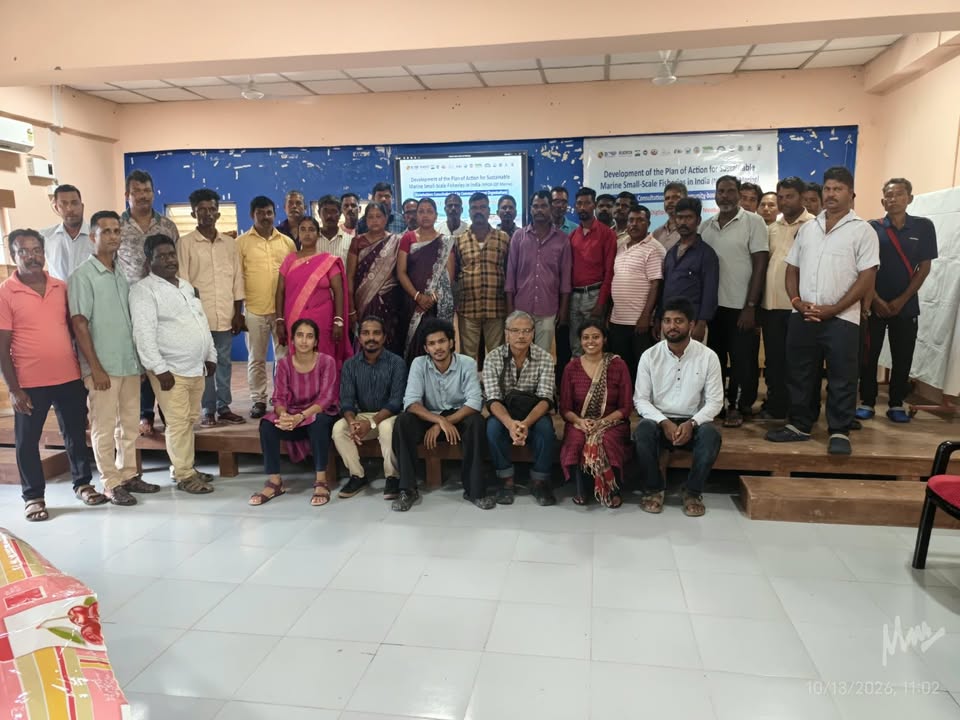
He said that ongoing initiatives in the region to develop NPOA-SSF could be a definite step towards this direction.
The programme brought together thirteen speakers and panellists from seven countries, namely Bangladesh, Fiji, Indonesia, Maldives, Malaysia, the Philippines and Thailand, along with representatives of IUCN, FAO, SEAFDEC and the Environmental Justice Foundation. A concluding panel discussion focused on the policy, finance and human capacity needed to advance the Regenerative Blue Economy in the region.
BOBP-IGO remains committed to working with its member countries and partners to promote sustainable, inclusive and resilient fisheries in the Bay of Bengal.
#BOBPIGO #BayOfBengal #RegenerativeBlueEconomy #AsiaOceanPacificWeek #SDG14 #SmallScaleFisheries #EAFM #FAO #IUCN #SEAFDEC